

Alex Leith talks film storyboarding with director Ben Wheatley.
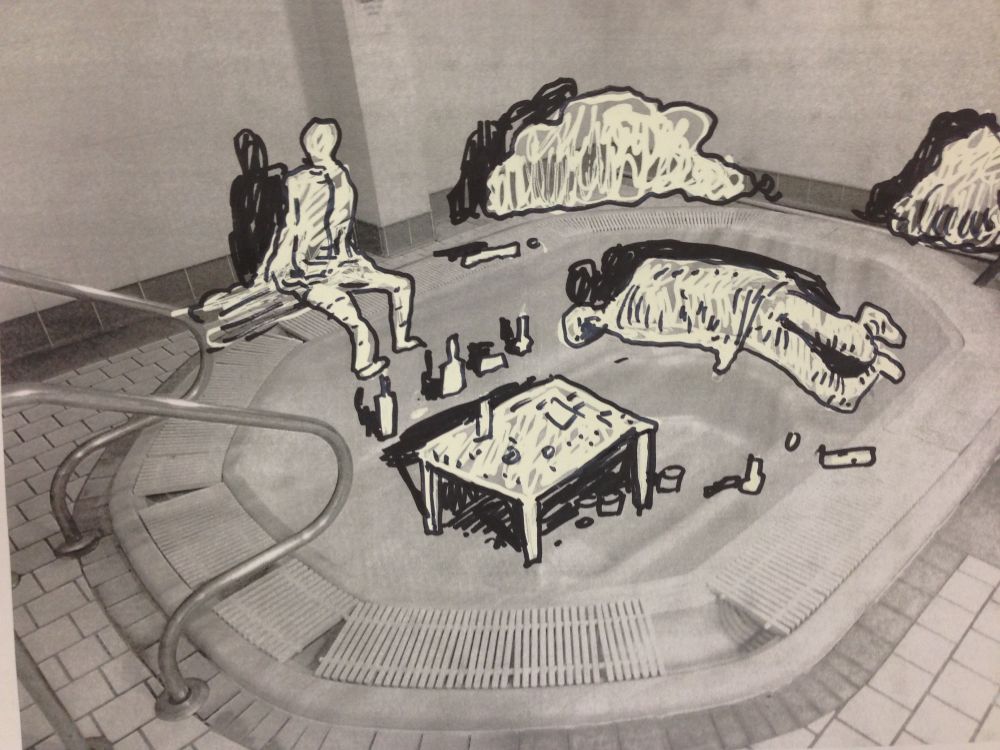
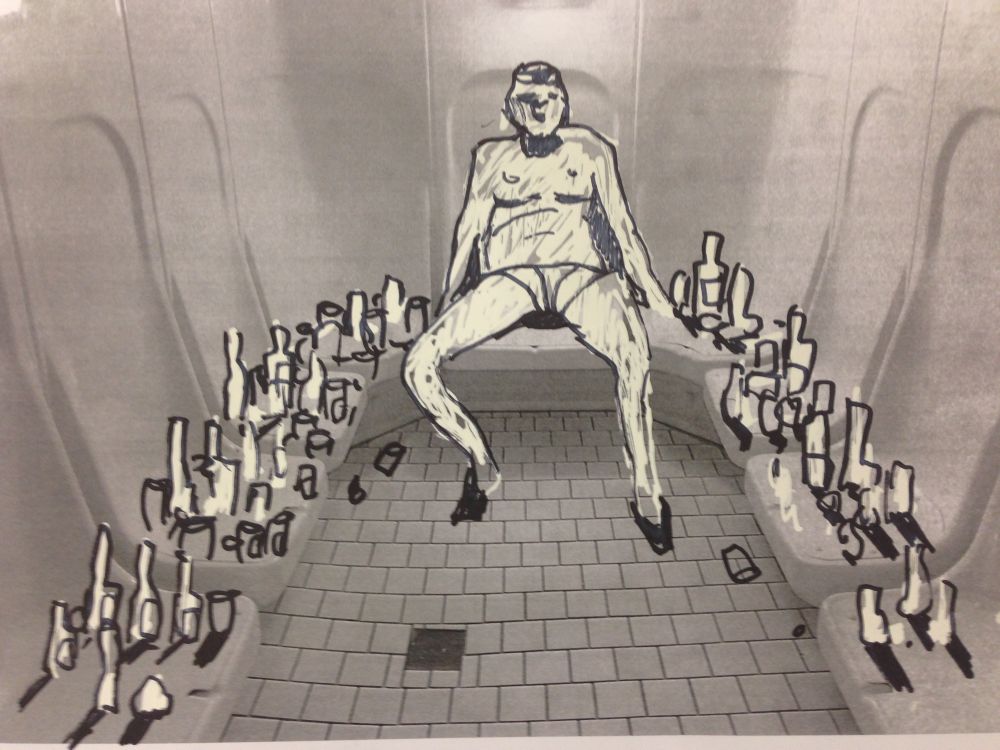
“Creating storyboards enables you to watch the film before it’s been made. As a director, it gives you control of the film you’re making.”
So says Ben Wheatley, the Sussex-based film director known for his genre-shifting versatility, the mind behind such movies as the psychological thriller Kill List (2011), the experimental psychedelic folk-horror A Field in England, the dystopian sci-fi High-Rise (2015), the Gothic romance Rebecca (2020) and the blockbuster monster movie Meg 2: The Trench (2023). Surrealism and satire thread through all these works, as he explores the banality of evil with a distinctly British twist. Since 2015 – like Kurosawa, Scorsese and Ridley Scott before him – storyboarding has become a key part of his filmmaking process.
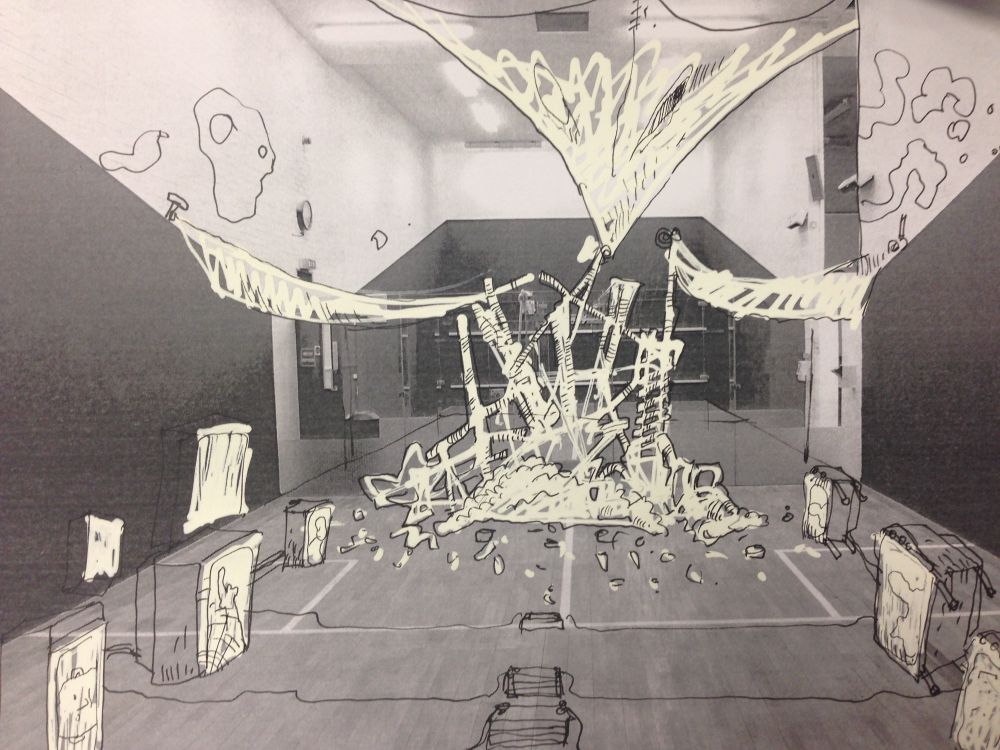
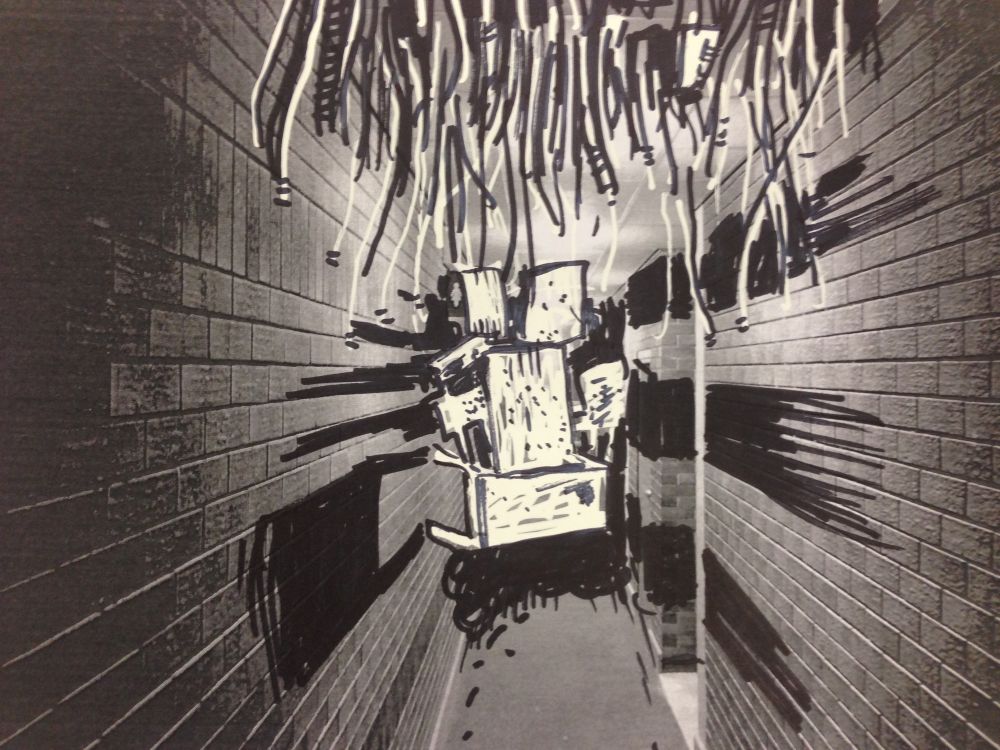
“As a kid, I really wanted to be a cartoonist,” he tells me, over a coffee in a Sussex country pub. “Comics influenced me massively… that was a time when there was much less media. If you liked sci-fi, you had Doctor Who and Thunderbirds or a film every 10 years. But then there was 2000AD, which came out every week. It was quite gaudy, cynical punk rock, right? And it was channelling quite esoteric stuff like JG Ballard and sophisticated American movies.” Inspired, he decided to have a go himself. “I was a prodigious child cartoonist… I drew thousands of pages. So it was easy to start storyboarding, I just got back into that vibe. I’ve done them consistently since High-Rise.” learned in the process of visualising the narrative, frame by frame. “My drawing is not brilliant,” he says, “I’m more worried about how clear it is than anything else. I adopt a style I can draw quickly, and communicate the action as fast as possible so it doesn’t get confusing.”
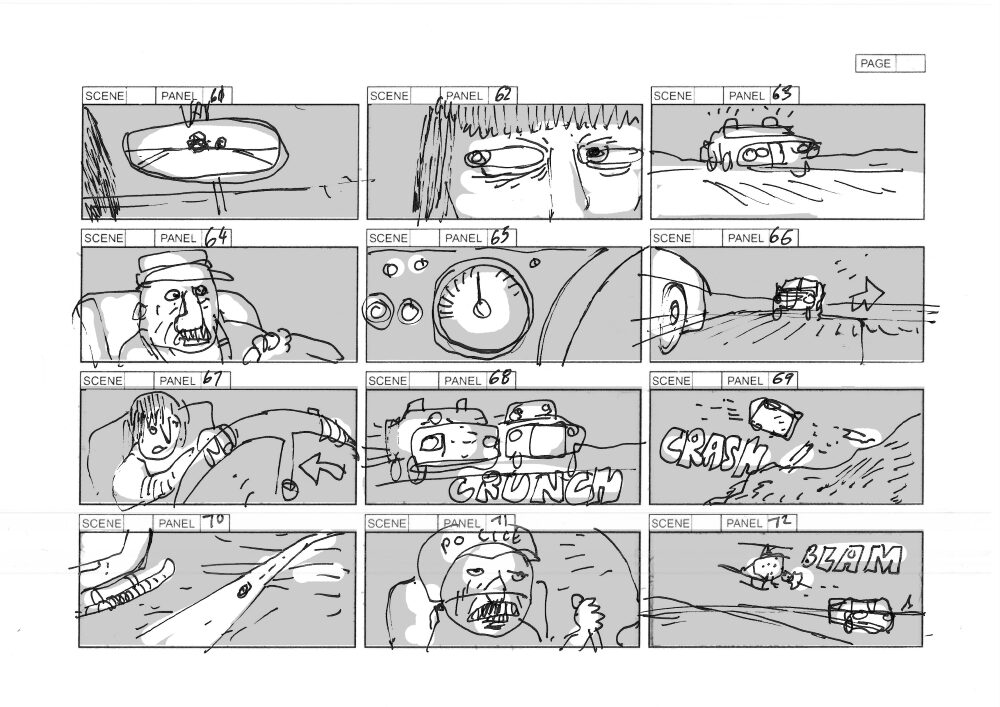
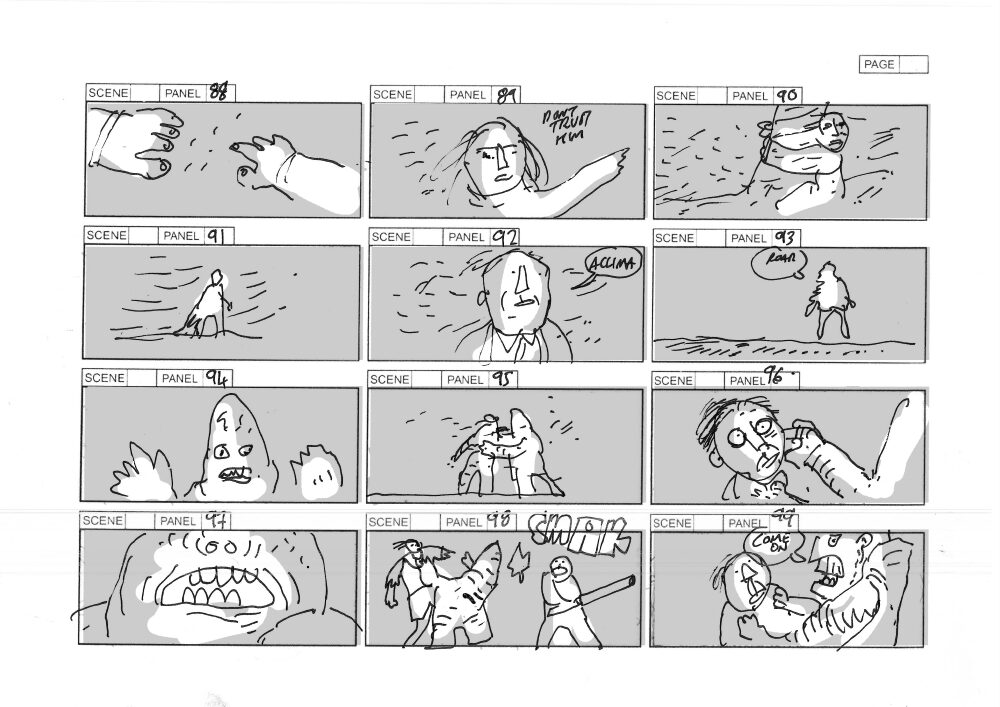
He likens the process to animation, where the chief animator will create the keyframes, and assistants will produce the ‘tweens’ that join them together. Action scenes are important, but storyboarding the dialogue, “where the real story is told”, was a harder skill to master. Careful pen-on-paper preparation helps him find “the most elegant and efficient way of getting through the scene with the minimum number of setups.” One key aspect to storyboarding, he has learnt, is to visualise the scenes through the view of the camera lens, rather than his own eyes. This isn’t just imagining, it’s ‘engineering’. He has to understand optics, spatial constraints, and how lens choice warps geometry.
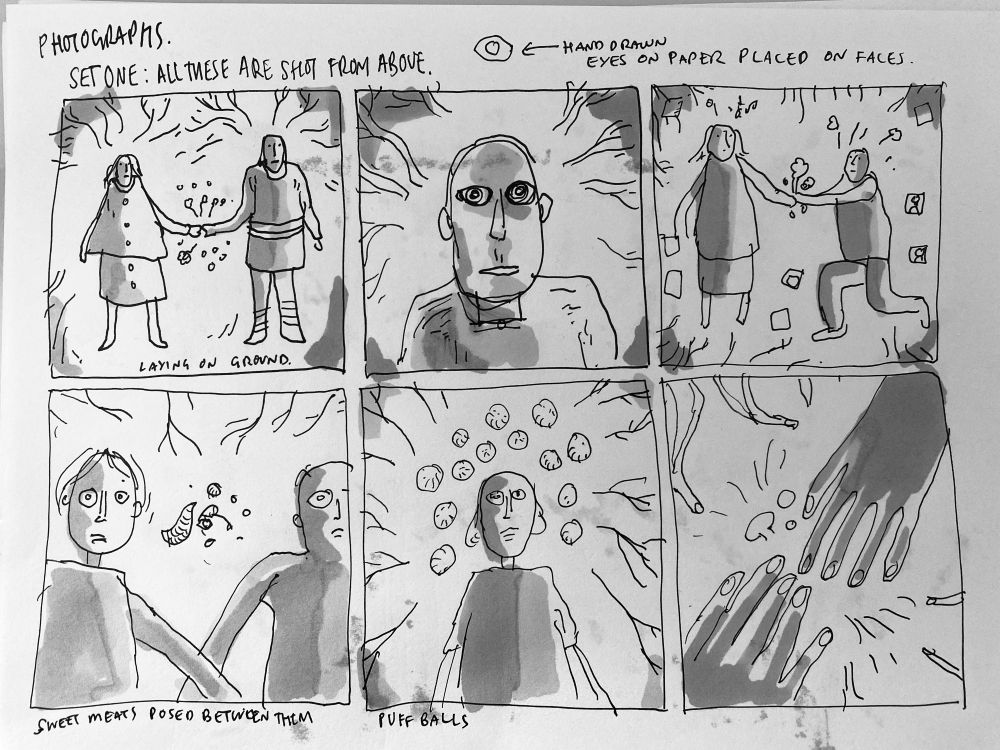
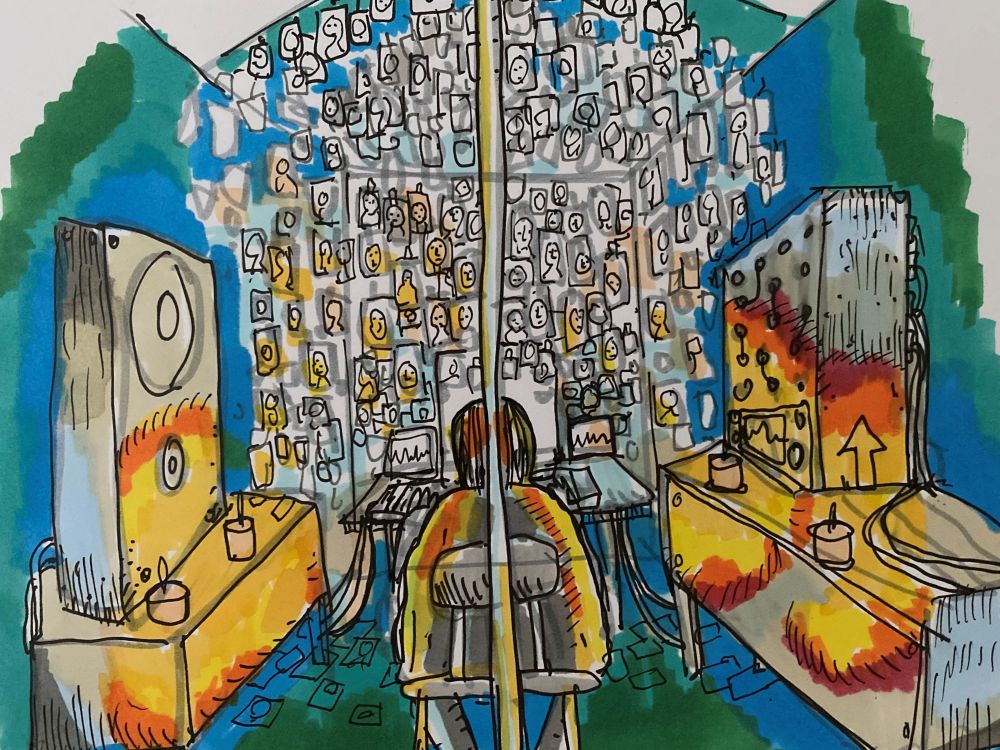
The script is always the first stage of any film, but his storyboarding – which might take up to a month of work – comes next. The script is then adapted to incorporate lessons His working process isn’t uniform. He uses standard printing paper, often with a six-square grid printed on, each representing a frame. Sometimes he uses a Rotring pen, other times a pencil. He uses Promarkers to effect shade, “not because it needs it, but it makes them look less scrappy.” On occasion he adds colour and half-tone in PhotoShop. Ideally he works at his desk, but “it can be done anywhere. I do it on the plane a lot.” For High-Rise, he produced 600 pages of storyboarding, for Meg 2, a much higher-budget production, he created over 3,000, many of which were worked up by film-industry illustrator Jake Lunt, the concept designer for numerous Star Wars movies.
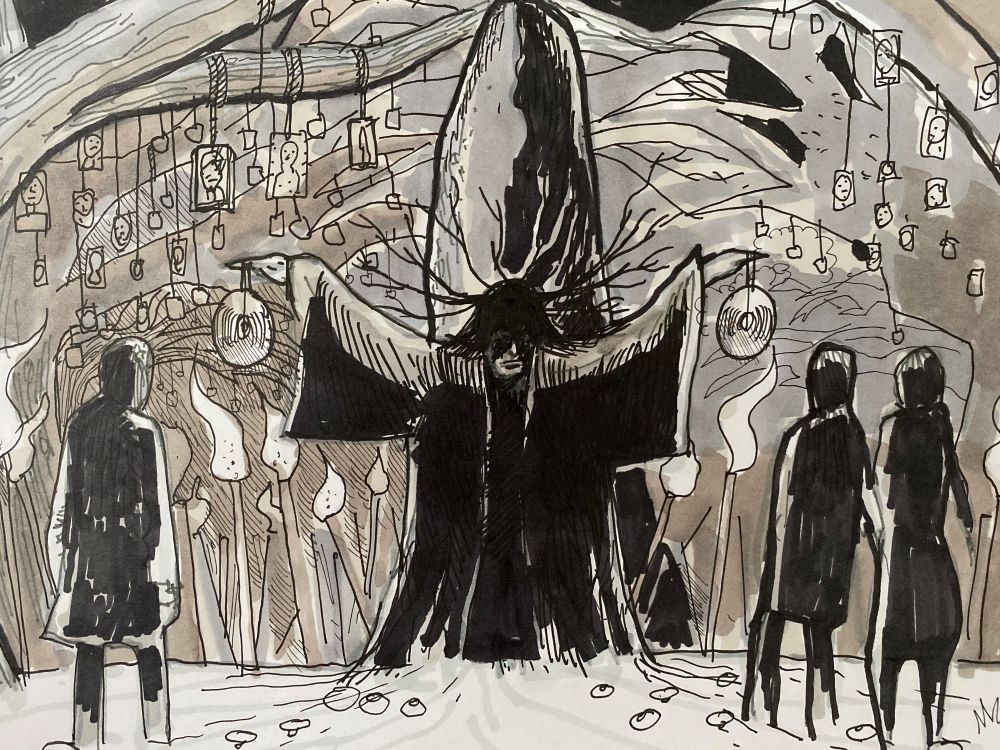
Crucially, the process gives him control of his films, which is important with so many egos, on and off set, itching to impose their own creative input. “Film is a massive negotiation… everyone’s fingers are in your pie. A vacuum is always filled by opinion. If you don’t have a detailed plan, someone else will come in with one. A lot of suggestions might be good ones, but too many different voices ruins films, disturbs the rhythm of the imagining.” A solid, detailed storyboard helps Ben Wheatley to establish authorship over his work, then, crucial in an industry where control is elusive and compromise inevitable. “My decision making might be flawed, sometimes, but at least they are my flaws, not a million voices coming from different angles.”
Ben Wheatley’s surreal sci-fi movie Bulk enjoyed its premiere at the Edinburgh International Film Festival in August. His crime thriller Normal is due a national release later this year.